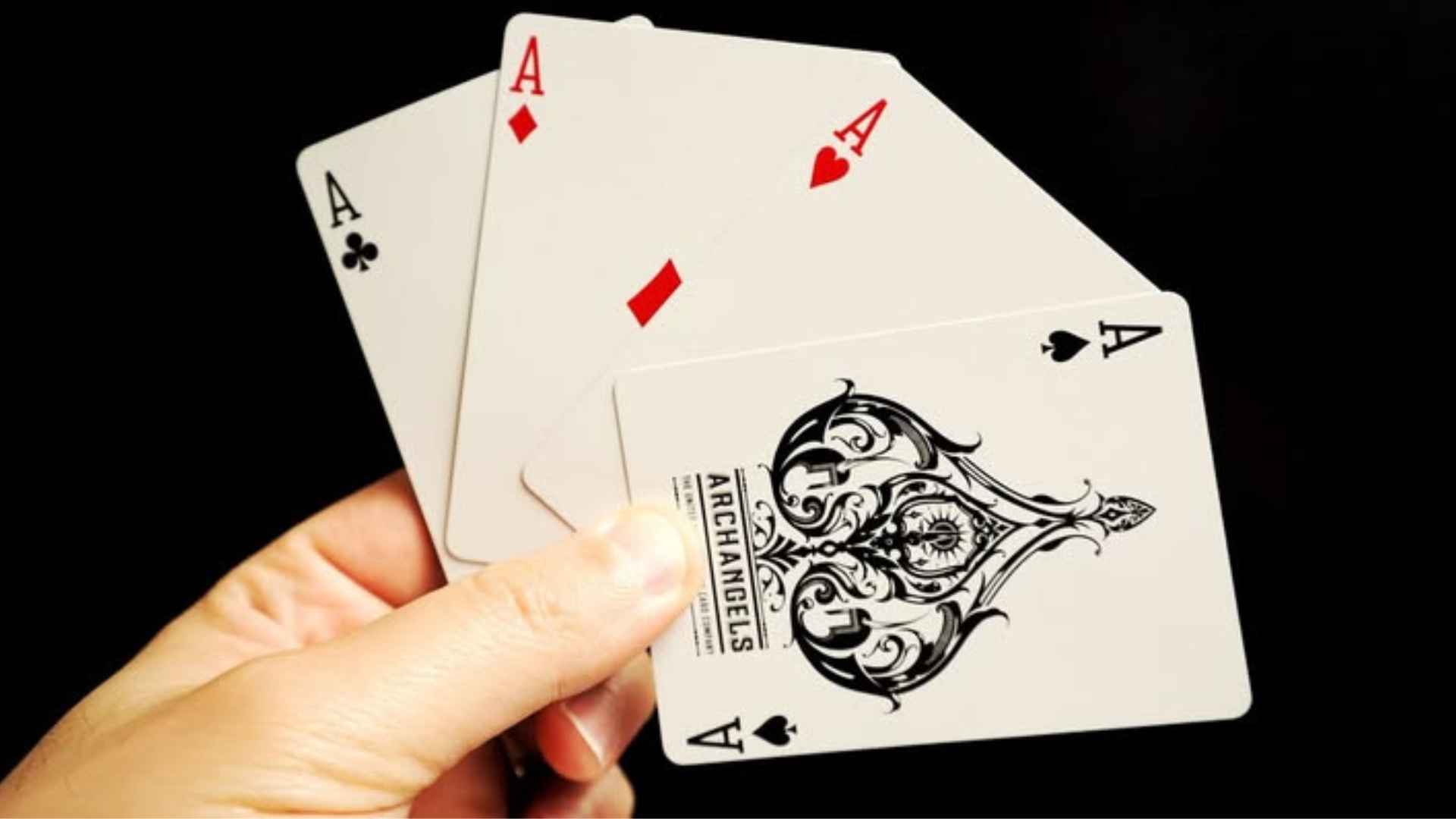
Blackjack is widely recognized as a card game that extends far beyond the element of random chance, serving as an excellent exercise for sharpening cognitive skills. By forcing players to process probabilities and adjust tactics in real time, it actively promotes disciplined mental habits. Engaging with this popular pastime can ultimately help individuals build structured decision-making skills that apply to both gaming and professional life.
The Value of Basic Strategy in Objective Decisions
The foundation of any analytical approach to the game relies heavily on adhering to a mathematically proven strategy chart. This tool dictates the most optimal move based on statistical likelihoods, eliminating personal bias or emotional reactions from the equation. Training your mind to rely entirely on empirical data rather than unpredictable gut feelings creates a baseline for better critical thinking.
For instance, understanding when to hold a difficult hand or when to take a calculated risk trains the brain to manage volatile outcomes objectively. Over time, practicing these structured frameworks helps enthusiasts appreciate the impact of rule-based choices in dynamic settings. Exploring platforms like M88 provides a controlled environment where users can regularly test and refine these strategic responses.
Risk Assessment and Managing Probability Variations
Every single dealt card alters the landscape of probability, requiring players to continuously evaluate changing variables. Strategic thinking is strengthened when you learn to project several steps ahead, considering how a single shift affects the overall probability of success. This fluid process mirrors the risk management methodologies utilized by analysts across major modern business sectors.
Developing an awareness of shifting parameters prevents short-sighted decision-making and fosters long-term planning habits. Players learn to embrace small, deliberate adjustments rather than looking for immediate, monumental returns. Consequently, this cognitive flexibility helps individuals view uncertainty as a factor to be managed rather than a reason to panic.
The Role of Emotional Discipline in Longevity
A crucial aspect of strengthening your strategic mindset involves maintaining complete composure during challenging sequences or unexpected downswings. The ability to separate long-term mathematical expectations from temporary outcomes prevents impulsive behavior and protects your available resources. True masters of the table realize that temporary setbacks are simply standard variations within a larger statistical framework.
Developing this internal resilience ensures that your overarching plans remain intact regardless of distracting external pressures. It encourages individuals to judge their success based on the technical quality of their decisions rather than individual outcomes. Ultimately, combining emotional control with statistical adherence transforms casual entertainment into a deep intellectual exercise.