Engaging in activities that challenge numerical logic and strategic planning is increasingly recognized as a powerful method to boost cognitive health. Probability games offer a unique dynamic for developing mental flexibility, as they force the brain to evaluate risks under highly uncertain conditions. By regularly participating in these casual statistical exercises, individuals can train their minds to process complex scenarios much faster and with greater accuracy.
The Neuroscience Behind Uncertainty and Brain Function
Recent cognitive research suggests that encountering unpredictable situations helps stimulate neural pathways responsible for adaptive learning and memory retention. When outcomes are not entirely guaranteed, the prefrontal cortex becomes highly active as it attempts to calculate potential variations in real time. This continuous cognitive engagement effectively strengthens your analytical skills and helps prevent cognitive stagnation as you age.
Furthermore, navigating structured chance teaches the human mind to manage practical risk assessment more efficiently in daily life. Instead of relying purely on emotional responses or intuition, players learn to rely on statistical data and methodical evaluation. This shift in thinking patterns fosters better problem-solving abilities that are highly beneficial across various modern professional environments.
The brain naturally craves stability, but introducing managed volatility through strategic puzzles actually forces it to become more resilient. By adjusting your strategies based on new information, you cultivate an elastic mindset capable of handling sudden external changes. This makes probability play an exceptional form of proactive mental conditioning.
Enhancing Strategic Speed Through Digital Simulation
Modern interactive platforms have developed sophisticated setups that challenge players to make rapid choices based on shifting numerical odds. These digital environments simulate real-time volatility, forcing the brain to adapt its tactical approaches on the fly without hesitation. Practicing under these fast-paced conditions significantly enhances processing speed, executive function, and spatial awareness over time.
Many individuals turn to specialized online portals to test their analytical capabilities against randomized algorithms and computational systems. Accessing these advanced learning environments via a trusted M88 link login allows users to safely experience a wide array of statistics-driven mechanics. Engaging with these digital tools regularly serves as a practical, high-quality workout for sharpening working memory and focus.
The key to maximizing these benefits lies in maintaining high engagement and analyzing the structural design of each challenge. When you understand the math governing the environment, you transition from a passive participant to an active decision-maker. This active focus helps translate virtual strategic success into practical everyday logic.
Differentiating Structured Odds from Pure Randomness
A crucial step in improving cognitive agility is learning to distinguish between blind luck and calculable mathematical probability. While a simple dice roll involves set constraints, advanced puzzles require players to track historical data points to predict future likelihoods accurately. Recognizing these subtle differences helps individuals develop deep deductive reasoning capabilities that clarify complex situations.
Tracking patterns across consecutive rounds teaches the brain to stay calm and analytical even when faced with high ambiguity. This intellectual patience reduces cognitive fatigue, enabling people to maintain high levels of sustained attention throughout demanding tasks. Over time, this disciplined approach translates into stronger logical choices when making major financial or personal decisions.
Understanding that random events follow predictable distributions allows you to look past short-term losses and focus on long-term sustainability. This perspective shift mitigates the stress often associated with unexpected disruptions in competitive settings. Consequently, players become much more comfortable navigating the structural uncertainties of the modern world.
Practical Daily Exercises for Cognitive Flexing
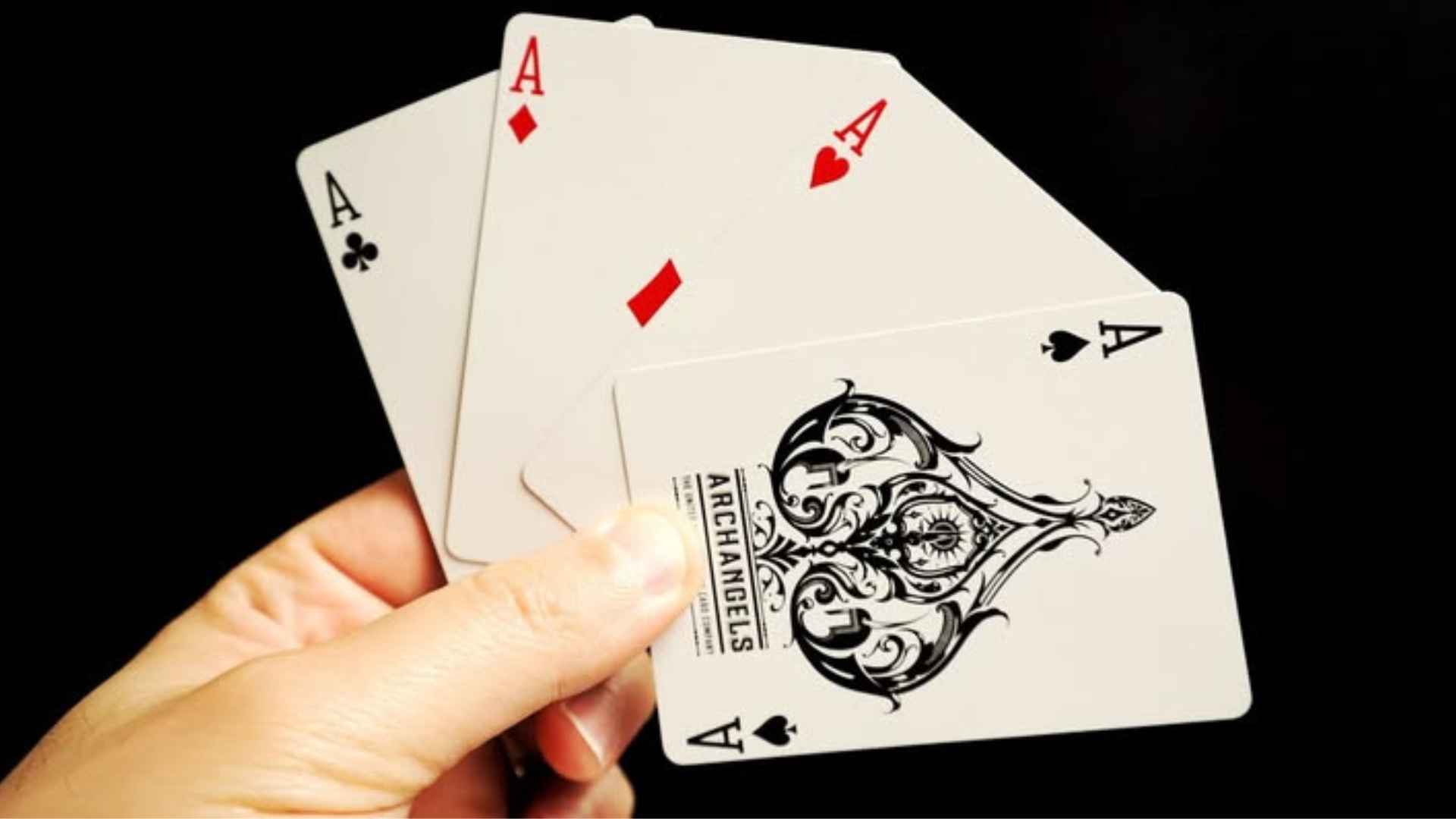
You do not need an advanced mathematics background or professional training to begin upgrading your mental capabilities through tactical play. Simple card setups, interactive probability charts, and tabletop puzzles are excellent accessible tools for beginners looking to stretch their minds. The primary objective is focusing on the overall frequency of outcomes rather than getting distracted by immediate individual results.
Devoting just a few minutes each day to these structured analytical challenges can yield noticeable improvements in your overall cognitive confidence. By treating these interactive exercises as puzzles, you cultivate a productive mindset that thrives on calculated exploration. Ultimately, mastering the basic laws of chance transforms how your brain handles unexpected variables in every area of life.