In a world dominated by rapid digital notifications and passive screen time, keeping our minds sharp and adaptable has never been more important. Table games offer an exceptional, interactive way to challenge our cognitive faculties while enjoying meaningful face-to-face social connections. By engaging with these diverse analog challenges regularly, players can systematically enhance their processing speed, memory, and strategic decision-making capabilities.
The Multi-Layered Strategy of Modern Chess
Chess has stood for centuries as the premier test of deep intellectual foresight and immediate tactical adaptation. Every match demands that players look several steps ahead while dynamically adjusting their plans based on the unexpected moves of their opponent. This continuous cycle of planning and pivoting serves as a complete workout for the brain's executive functions.
Furthermore, chess forces individuals to practice spatial reasoning and pattern recognition under quiet pressure. Over time, this disciplined mental effort translates into improved problem-solving skills that can be applied to complex real-world situations.
Speed and Probability in Fast-Paced Card Games
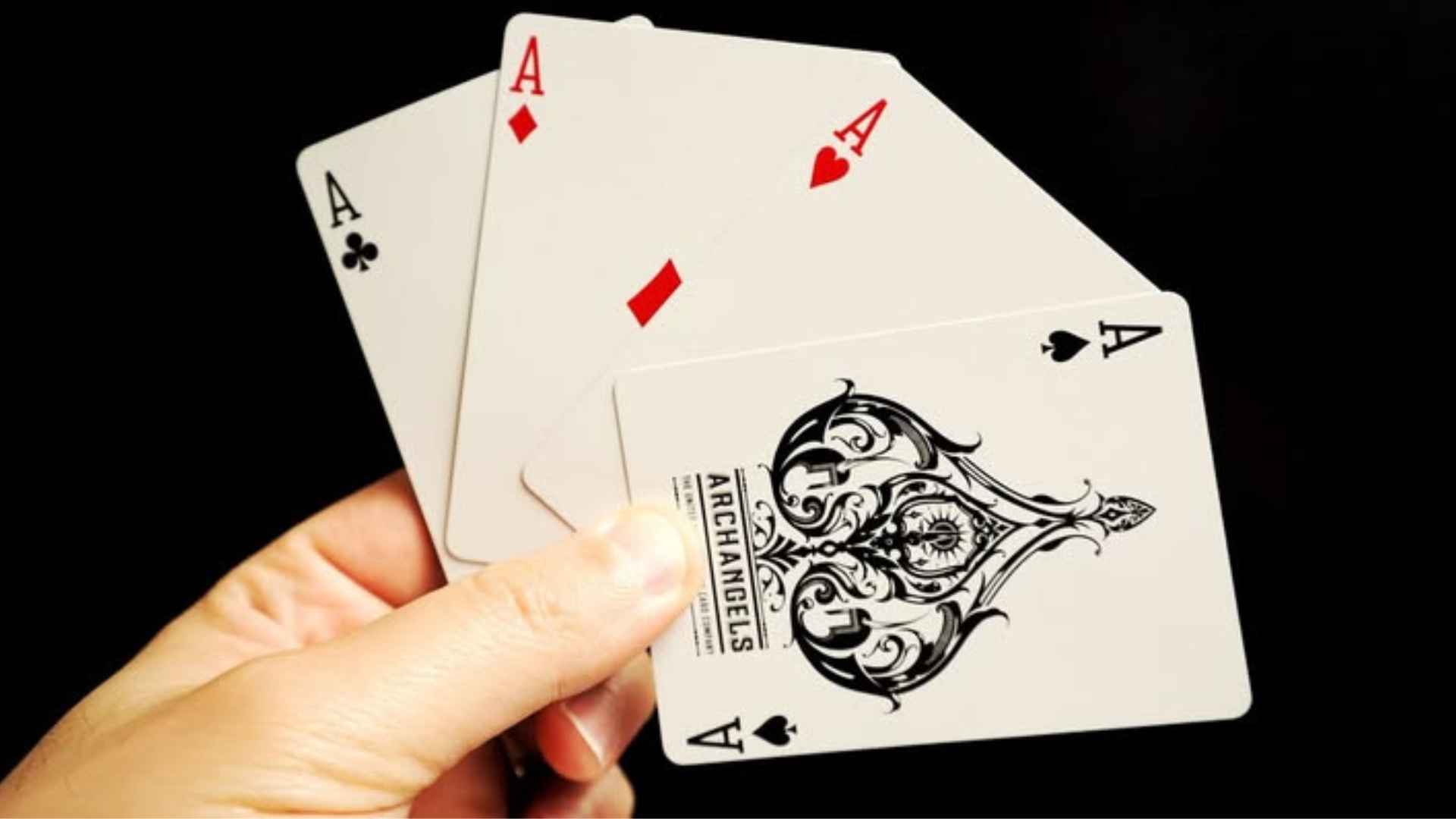
Lively card games require a completely different cognitive skillset, focusing heavily on rapid probability calculations and behavioral analysis. Players must quickly assess their shifting odds with every new card drawn while simultaneously deciphering the subtle emotional cues of their opponents. This constant flux of information keeps the mind highly alert and teaches players to make calculated decisions under tight time constraints.
For those looking to transition their tactical thinking to a convenient digital space, securing a reliable portal is crucial. Many enthusiasts use a secure M88 link login to explore various classic card challenges online. Practicing these strategic games regularly helps maintain high levels of mental flexibility and mathematical reasoning.
Strategic Planning in Cooperative Board Games
Cooperative tabletop games have surged in popularity by shifting the focus from individual competition to collective problem-solving. In these setups, players must communicate complex ideas clearly, share limited resources, and synchronize their unique abilities to defeat the game itself. This collaborative dynamic requires a high degree of cognitive flexibility and emotional intelligence to succeed.
Working together under pressure helps individuals develop advanced lateral thinking and creative brainstorming methods. It also offers a supportive environment where players can analyze mistakes constructively and refine their tactics for future rounds.
Tactical Adaptation in Tile-Placement Games
Tile-placement games challenge players to build complex landscapes or geometric patterns using limited, randomized pieces. This genre requires a strong grasp of spatial awareness as you must constantly visualize how different shapes fit together to maximize your score. Because your opponents can block your intended paths, you must always be ready with a viable backup plan.
This balance of creative visualization and defensive play prevents the brain from falling into lazy cognitive patterns. Embracing these tactile, evolving puzzles is a highly effective way to keep your spatial memory sharp and agile at any age.