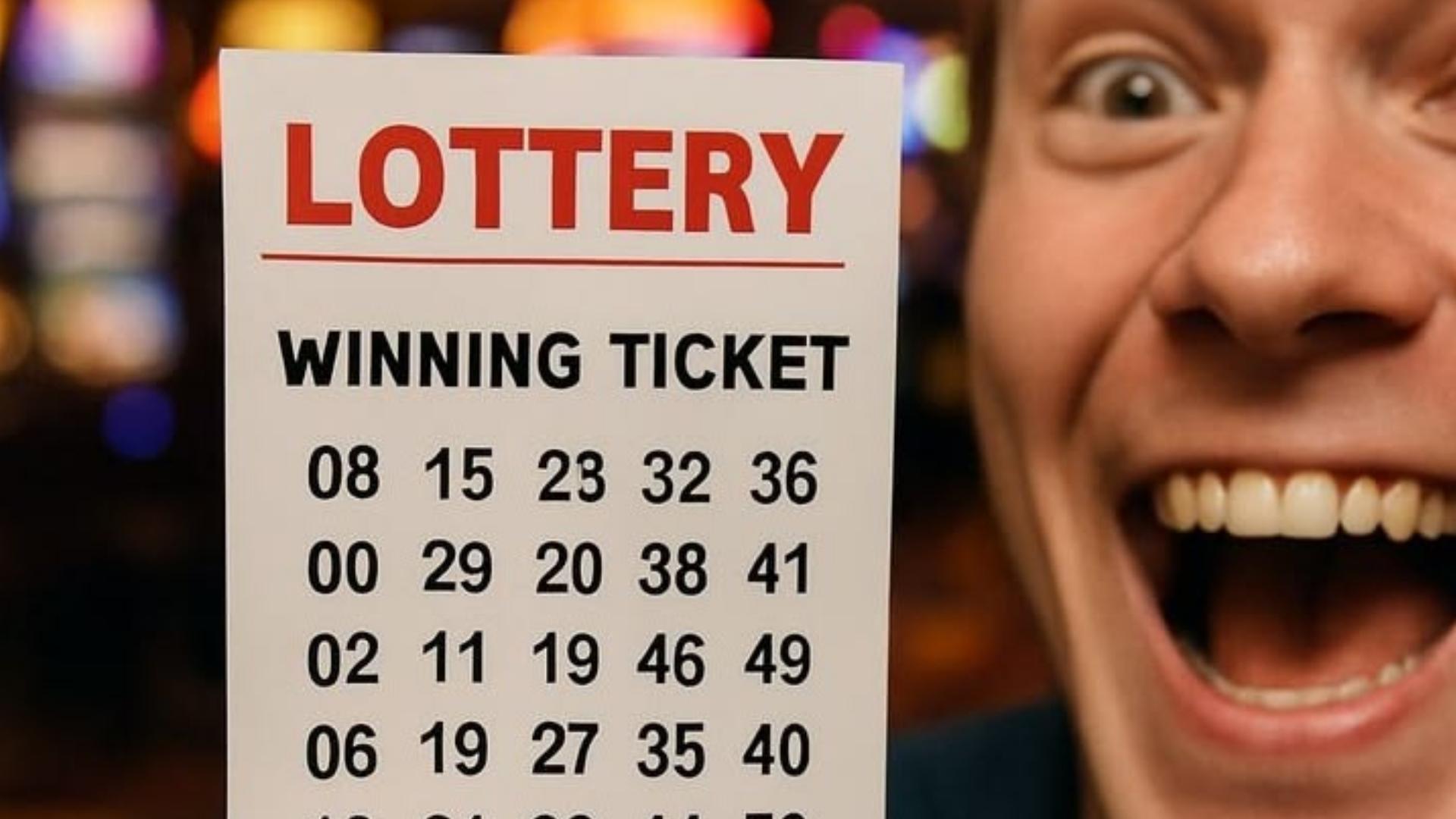
The human brain is naturally drawn to the unknown, finding a unique sense of engagement when outcomes remain completely hidden until the final second. This fascinating connection explains why interactive systems featuring random distributions can turn a routine interaction into a truly thrilling event. By exploring the underlying cognitive forces at play, we can better understand how uncertainty shapes our modern entertainment experiences.
The Neurobiology of Variable Outcomes
Our brains operate as complex predictive machines that constantly evaluate immediate future outcomes against stored memories. When a reward is uncertain or variable, the internal release of dopamine increases significantly compared to a completely guaranteed outcome. This sudden neurological surge heightens sensory awareness, causing each micro-second of a game to feel incredibly distinct and engaging.
This emotional response turns a simple gameplay loop into an immersive experience that players want to replicate. The physical or visual deceleration of an indicator as it nears a final destination triggers a healthy rush of excitement regardless of the final destination. Ultimately, the anticipation of an unknown reward is often what makes the process of waiting just as satisfying as the actual prize.
How Mystery Drives Structural Engagement
When a participant steps up to an interactive platform, a fixed reward structure can quickly cause the experience to shift from an exciting activity into a routine task. Introducing random elements prevents this boredom by keeping the mind actively guessing and hoping during every single cycle. This specialized design layout ensures that participants remain fully invested from the initial trigger to the final outcome.
Many modern digital platforms carefully implement these frameworks to maintain a steady flow of curiosity across different user sessions. For example, users searching for a reliable platform often complete their m88 đăng nhập to explore various interactive features built around transparent mechanics. By establishing clear parameters and fair delivery systems, software developers can provide sustainable recreational options that respect user expectations.
The Psychological Impact of Near Misses
Another powerful mechanism that makes every turn more interesting is the psychological phenomenon known as a near miss. When an indicator slowly ticks past a major reward and settles on a minor bonus, the brain registers the event as an encouragement rather than a total loss. This subtle structural trick feeds our natural curiosity and leads us to believe that success is closer than it appears.
This cognitive setup explains why randomized formats remain highly effective at capturing human focus over extended periods. Because our internal expectations shift based on the results of previous rounds, the emotional weight of each attempt changes constantly. Navigating these micro-moments of uncertainty adds a layer of depth that fixed systems simply cannot replicate.
Promoting a Healthy Relationship with Chance
While the thrill of unexpected rewards is undeniably compelling, maintaining a balanced mindset is crucial to keeping your casual sessions positive. Responsible enthusiasts always approach interactive challenges with clear personal boundaries regarding time and recreational funds. Shifting your focus from winning a singular grand prize to appreciating the broader mechanics helps keep the experience sustainable.
True enjoyment comes from recognizing that digital outcomes are completely independent events governed by randomized software logic. By abandoning flawed prediction systems and embracing the pure anticipation of the moment, you can safeguard your well-being. Treating each turn as an isolated event ensures a clear perspective and a much healthier relationship with modern chance-based media.